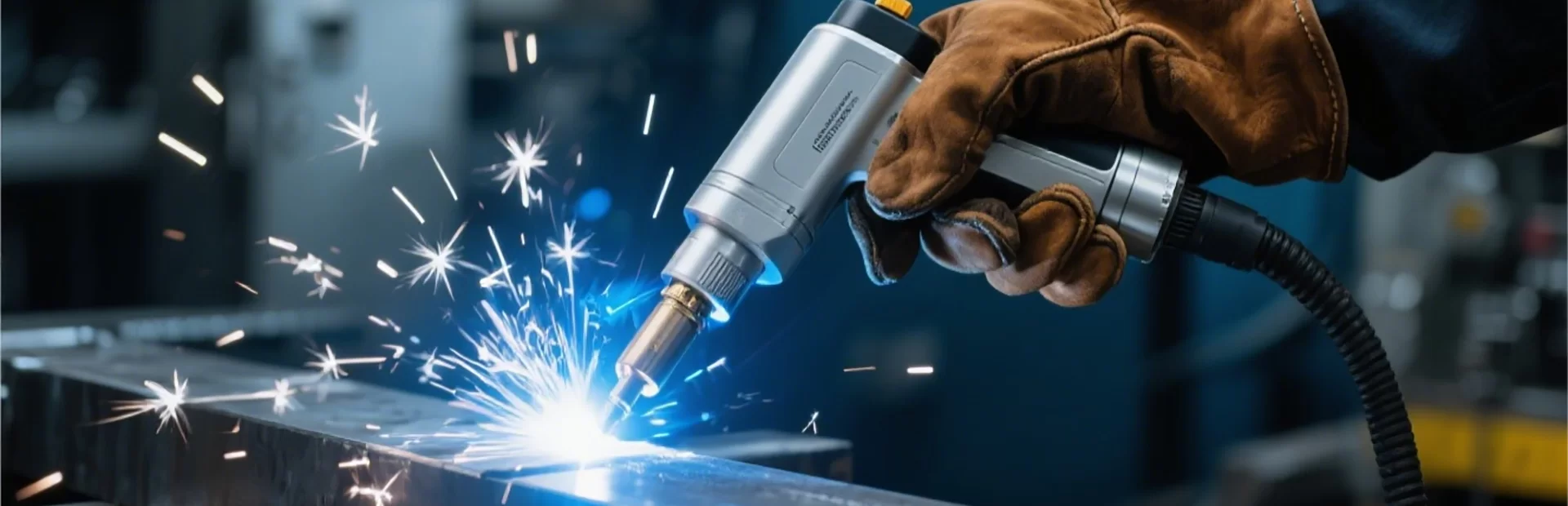
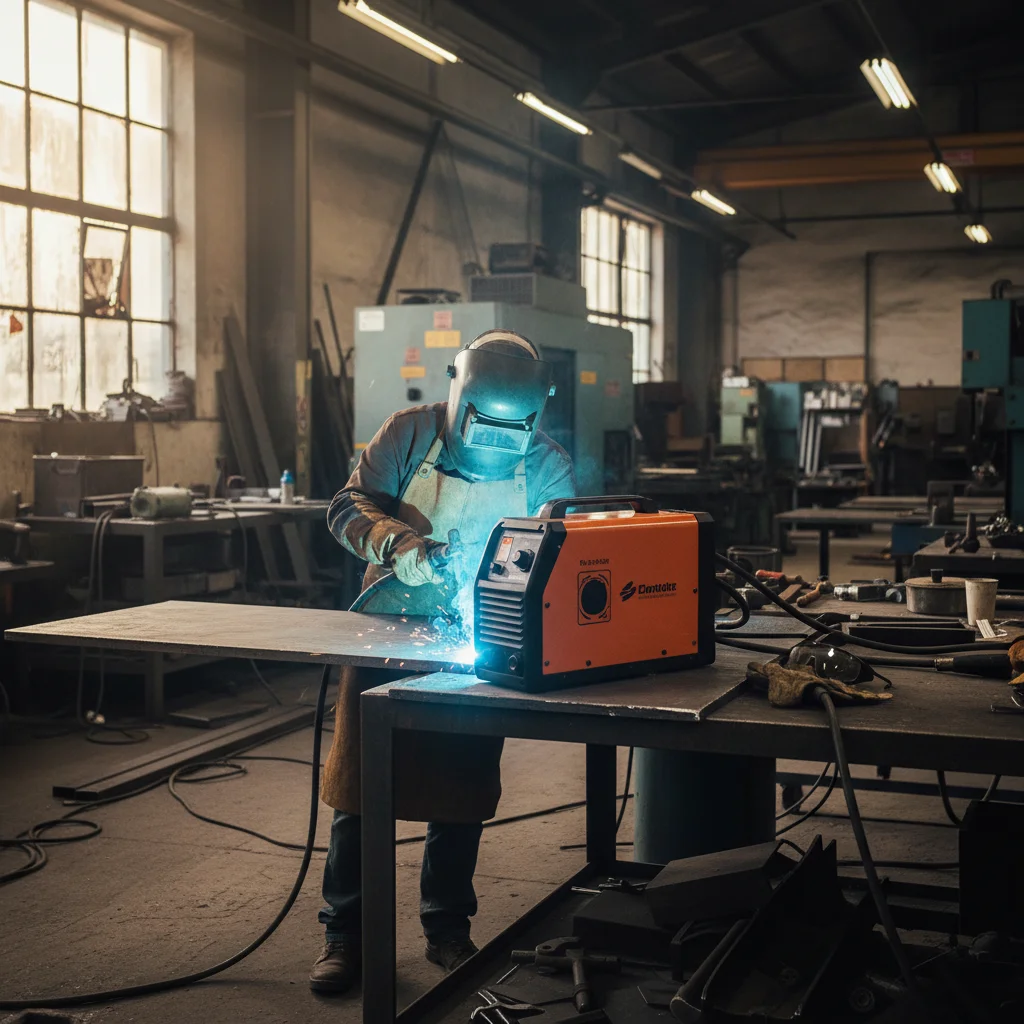
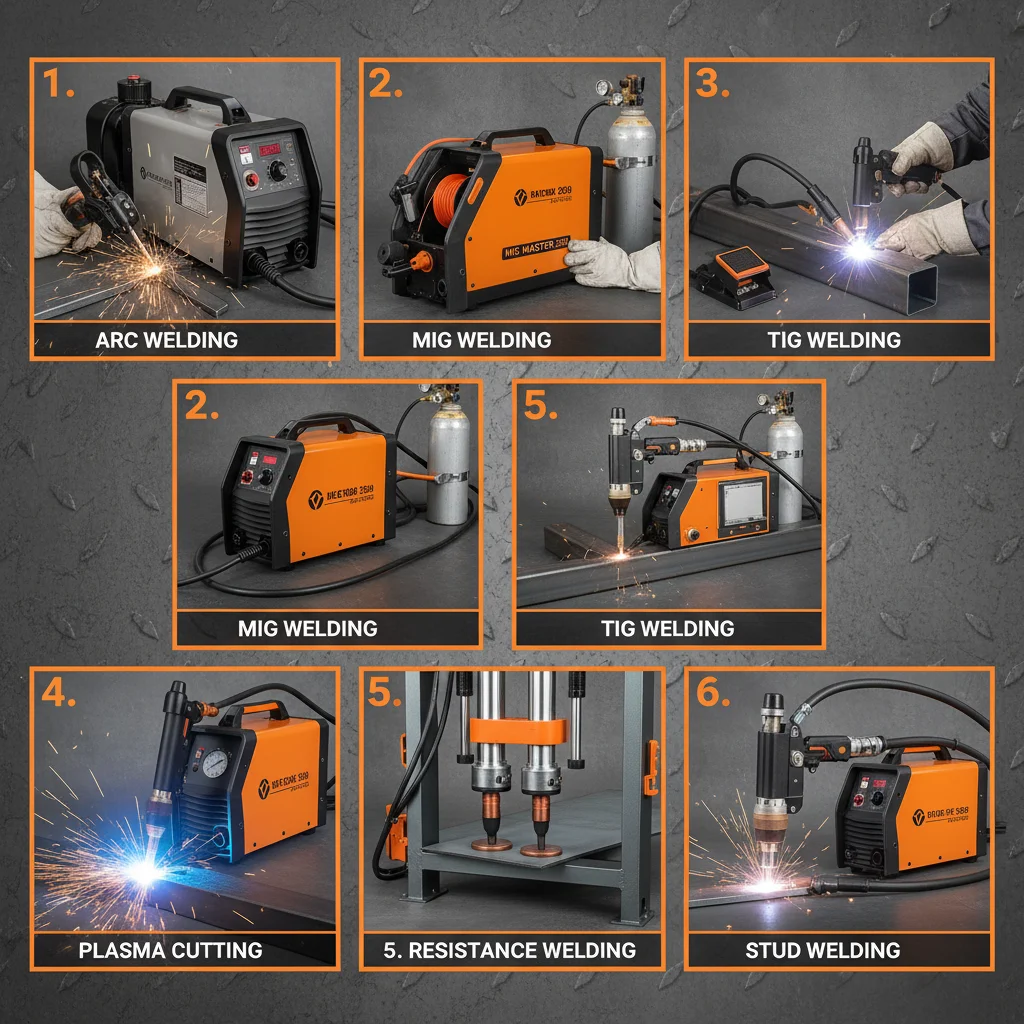
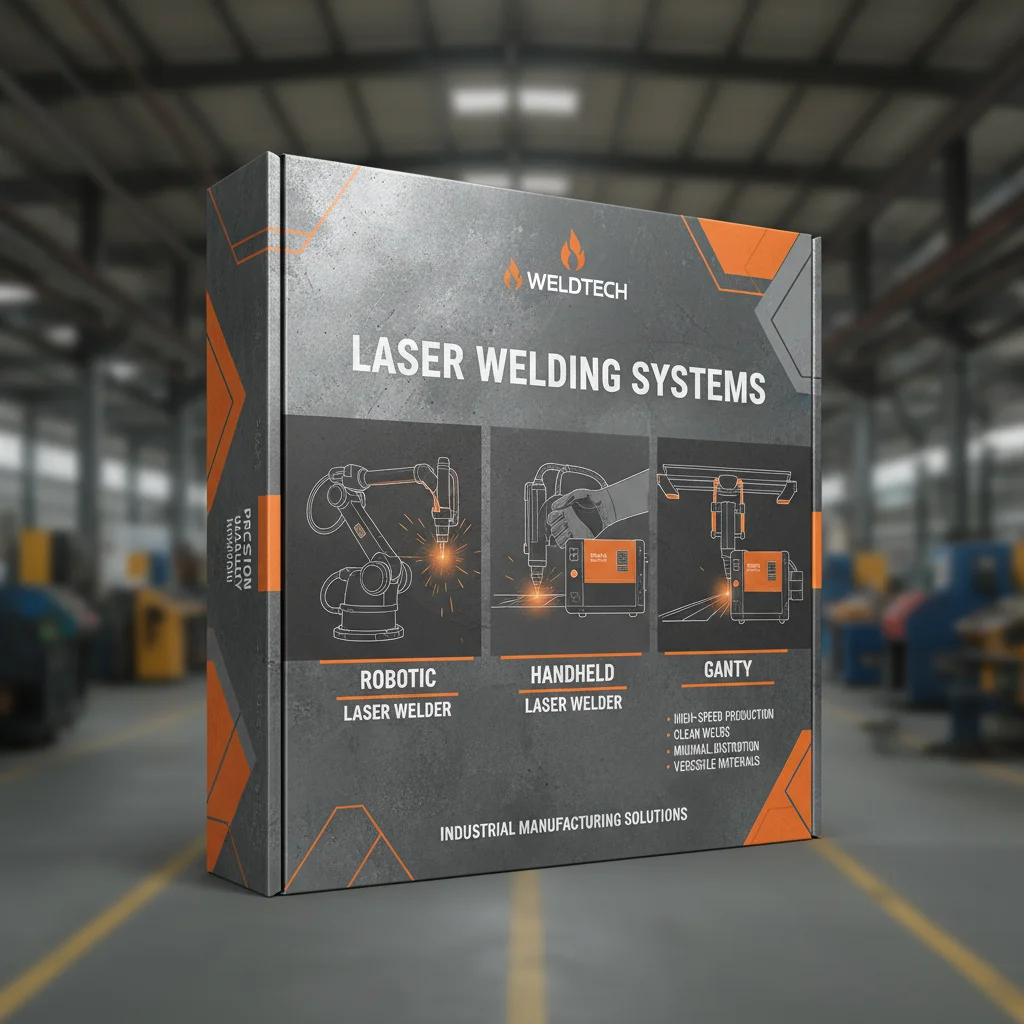
In the landscape of modern metal fabrication, the single phase welding machine stands as a cornerstone for small-to-medium enterprises and independent workshops worldwide. These machines provide the critical bridge between high-industrial capacity and residential power accessibility, allowing precision joining of metals without the need for expensive three-phase electrical installations. Understanding the nuances of these devices is essential for optimizing production efficiency and ensuring operational safety in diverse environments.
Globally, the demand for versatile welding solutions has surged as the "maker movement" and decentralized manufacturing grow. By utilizing a single phase welding machine, operators can significantly reduce overhead costs while maintaining the ability to perform high-quality MIG, TIG, or Stick welding. This accessibility democratizes industrial capability, enabling rapid prototyping and localized repairs that drive economic resilience in developing industrial zones.
The primary benefit of adopting this technology lies in its balance of portability and power. Whether it is used in a remote agricultural setting or a sophisticated urban studio, the single phase welding machine offers a reliable energy-to-arc conversion that meets ISO quality standards. By focusing on inverter technology and energy efficiency, these machines have evolved from heavy, inefficient transformers to streamlined, digital powerhouses.
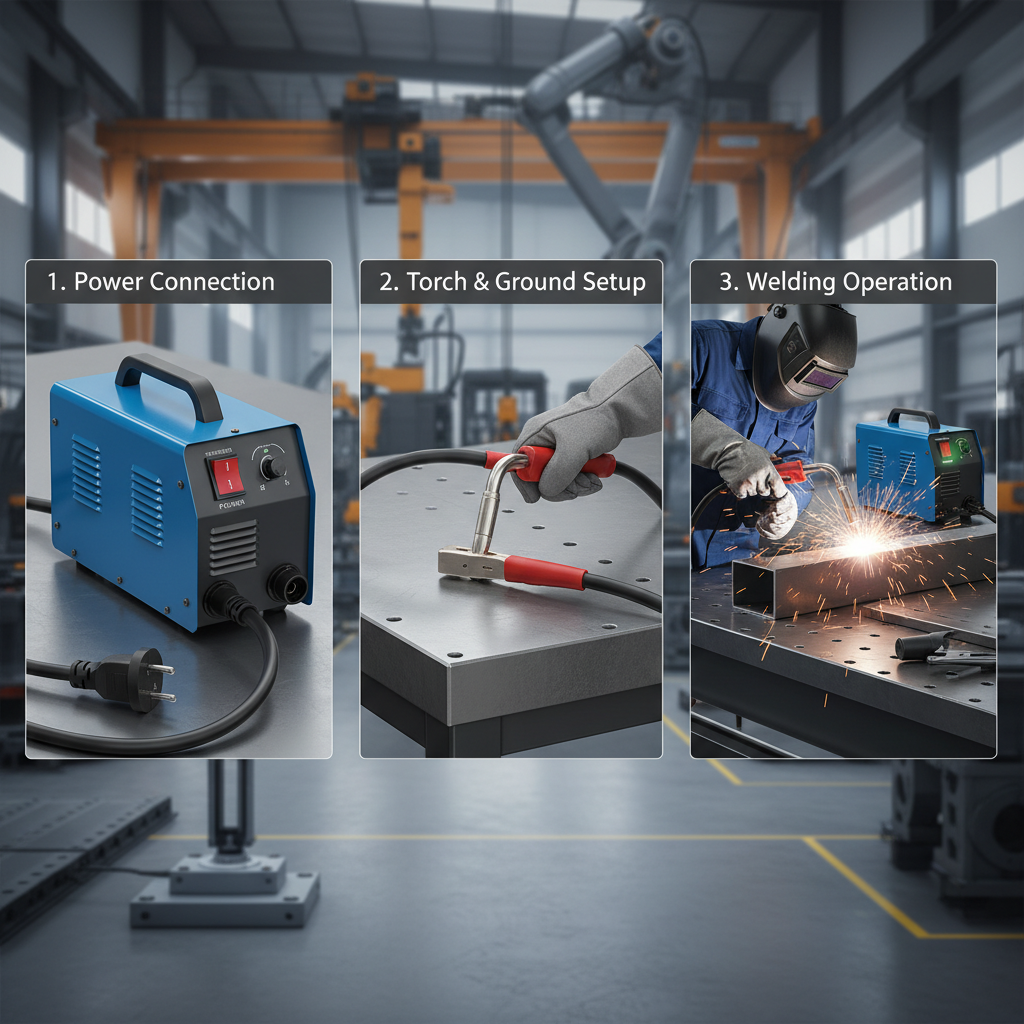
Global Industry Context of Single Phase Welding Machines
The global welding market is currently undergoing a paradigm shift toward "lean manufacturing," where flexibility outweighs sheer scale. Data from industrial benchmarks suggest that a significant percentage of fabrication tasks in the SME sector are perfectly suited for a single phase welding machine, as these environments often lack the infrastructure for three-phase power. This creates a critical challenge: how to maintain industrial-grade weld penetration and stability using standard domestic-style power grids.
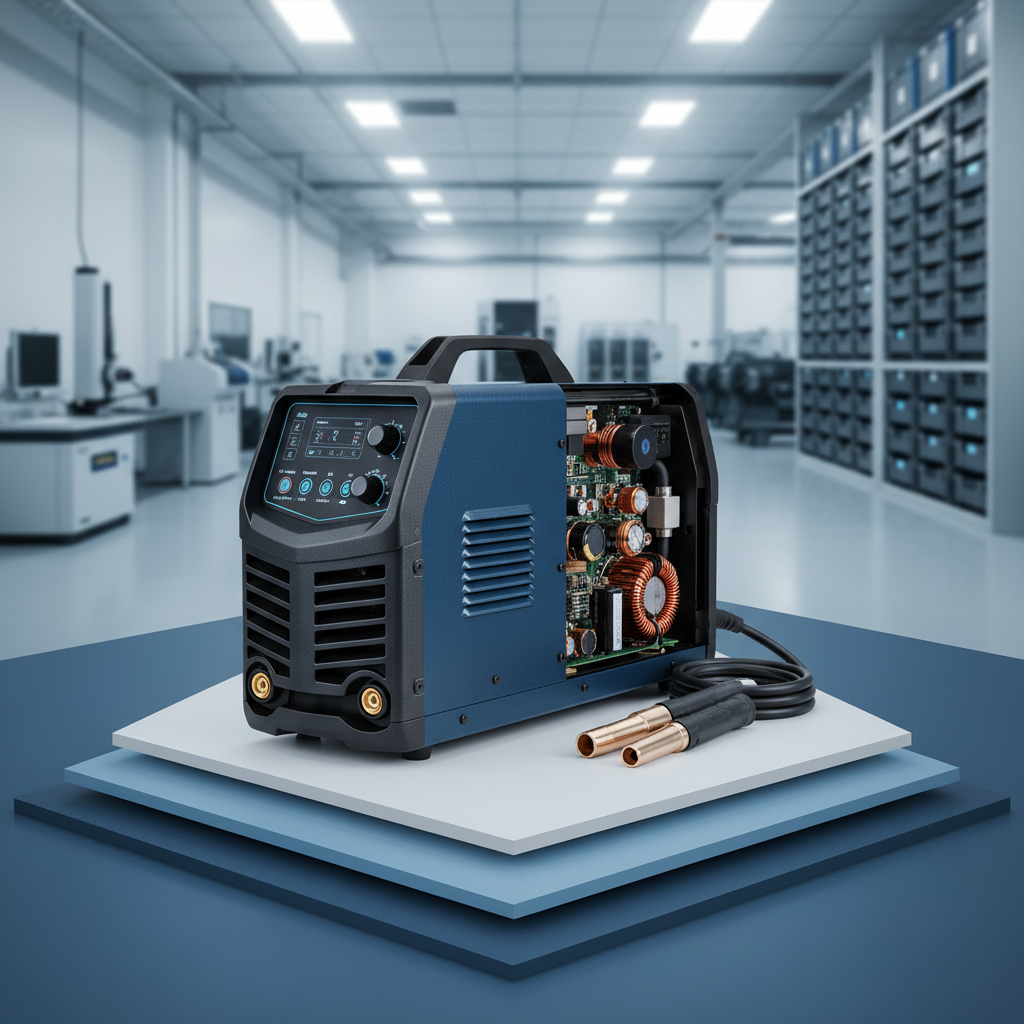
To address this, engineers have integrated advanced IGBT (Insulated Gate Bipolar Transistor) technology into the single phase welding machine, allowing for high-frequency switching that minimizes energy loss. This innovation has allowed these machines to move from simple hobbyist tools to professional instruments capable of handling structural steel and aluminum in regions where power infrastructure is limited or costly to upgrade.
Defining the Single Phase Welding Machine
At its most fundamental level, a single phase welding machine is a power source designed to operate on a single alternating current (AC) voltage cycle, typically 110V or 220V. Unlike three-phase machines that require three separate hot wires to deliver power, the single phase unit draws current from a single live wire and a neutral, making it compatible with standard wall outlets found in homes and small workshops.
In the context of modern industry, this machine represents "accessible productivity." It is not merely a tool but a solution for humanitarian and economic development; for instance, in remote areas of Southeast Asia or Africa, these machines enable local artisans to build essential infrastructure—such as water pumps and agricultural tools—without requiring a massive overhaul of the local electrical grid.
The connection to modern humanitarian needs is clear: by lowering the barrier to entry for metalwork, the single phase welding machine empowers grassroots innovation. It allows for the rapid creation of emergency shelters, medical equipment frames, and sustainable energy installations, proving that high-impact engineering does not always require high-voltage industrial power.
Core Components and Technical Factors
Durability is the first pillar of a high-quality single phase welding machine. The internal chassis must be designed to withstand high thermal loads and environmental contaminants like metallic dust. Heavy-duty cooling fans and heat sinks are integrated to prevent the inverter boards from overheating during continuous duty cycles, ensuring the machine doesn't trip its thermal overload during critical joints.
Cost Efficiency is achieved through the optimization of the power factor. A modern single phase welding machine utilizes power factor correction (PFC) circuits to ensure that the electricity drawn from the grid is used with maximum efficiency. This not only reduces the operator's monthly energy bill but also prevents voltage drops that could disturb other electronics in a shared workspace.
Scalability and Versatility are managed through digital control interfaces. By offering adjustable amperage and voltage settings, a single phase welding machine can pivot from thin-gauge sheet metal work (requiring low heat) to thicker structural plates. This adaptability makes it a multi-purpose asset, replacing the need for multiple specialized machines in a compact workshop.
Performance Metrics and Efficiency Ratings
When evaluating the effectiveness of a single phase welding machine, we must look at the duty cycle—the percentage of a ten-minute period that the machine can operate at a given amperage without overheating. High-end inverter models have pushed this limit, allowing for professional-grade output from a compact footprint.
Furthermore, the arc stability of these machines is now comparable to their three-phase counterparts. By employing micro-processor controlled current, the machine can compensate for minor fluctuations in the input power grid, ensuring a smooth, splatter-free weld bead that reduces the need for post-weld grinding and finishing.
Efficiency Comparison of Single Phase Welding Machine Technologies
Global Applications and Real-World Use Cases
In remote industrial zones, the single phase welding machine is often the only viable option for on-site maintenance. For example, in the mining sectors of Western Australia or the oil fields of Texas, technicians use portable single-phase units to perform urgent repairs on conveyor belts and piping systems, eliminating the need to transport heavy equipment back to a central facility.
Additionally, in post-disaster relief operations, these machines are deployed by NGOs to rebuild critical infrastructure. Because they can run on basic generators or temporary power poles, they are used to weld support beams for temporary housing and repair damaged water distribution networks, providing immediate stability and safety to displaced populations.
Long-Term Value and Sustainable Advantages
The long-term value of investing in a professional single phase welding machine extends beyond mere cost savings. From a sustainability perspective, the shift toward inverter-based single-phase technology has drastically reduced the carbon footprint of small workshops. Lower power consumption and reduced waste—thanks to more precise arc control—contribute to a more eco-friendly fabrication process.
From a logical and emotional standpoint, these machines provide "operational dignity" to the independent craftsman. The ability to produce industry-standard welds without the daunting requirement of industrial power infrastructure fosters innovation and trust. When a technician knows their equipment is reliable and safe, the quality of the final product increases, leading to stronger business growth and personal professional pride.
Moreover, the reliability of these machines reduces downtime. Modern protections against voltage spikes and overheating mean that a single phase welding machine can last for a decade with minimal maintenance, providing a stable return on investment that far outweighs the initial purchase price.
Future Trends in Single Phase Welding Technology
The future of the single phase welding machine is inextricably linked to the digital transformation of the industry. We are seeing the integration of IoT (Internet of Things) capabilities, where machines can be monitored remotely for duty cycle health and energy consumption. This "smart welding" approach allows workshops to optimize their power usage and predict when a component needs replacing before a failure occurs.
Green energy integration is another pivotal trend. As solar and battery storage become more common in small shops, single phase machines are being optimized to handle the slight variances in power delivered by renewable energy inverters. This move toward "off-grid welding" will further empower creators in the most remote corners of the globe.
Finally, the convergence of welding with automation—such as small-scale robotic arms paired with a single phase power source—is bringing factory-level precision to the garage. This synergy ensures that high-quality manufacturing remains decentralized and accessible.
Comparison Analysis of Single Phase Welding Machine Technical Specifications
| Machine Model Type |
Input Voltage Range |
Max Current Output |
Energy Efficiency Score |
| Compact Inverter A |
110V - 220V |
160A |
8.5/10 |
| Heavy-Duty Single Phase B |
220V Only |
250A |
7.2/10 |
| Multi-Process Digital C |
110V - 240V |
200A |
9.1/10 |
| Transformer Legacy D |
220V |
180A |
4.5/10 |
| Eco-Smart Series E |
100V - 250V |
200A |
9.8/10 |
| Portable Field Unit F |
110V / 220V |
140A |
8.0/10 |
FAQS
Yes, provided the duty cycle and amperage are matched to the material thickness. While they aren't designed for 24/7 factory assembly lines, modern IGBT-based single phase welding machines can easily handle structural repairs, custom fabrication, and medium-thickness steel welding with professional results.
Most single phase machines are designed to plug into standard 110V or 220V outlets. However, it is recommended to use a dedicated circuit with a properly rated breaker to avoid tripping the power during high-amperage draws. Always check your machine's manual for the specific circuit requirements.
The primary difference is the power source. Single phase machines run on standard household/small shop power, making them portable and accessible. Three phase machines require industrial power grids and generally offer higher duty cycles and more power for extremely thick materials, but they are significantly less flexible in terms of location.
Generally, yes. Inverter machines are lighter, more energy-efficient, and provide a more stable arc. They also allow for better control over the welding parameters, which results in cleaner welds and less spatter compared to the old, heavy transformer-style machines.
Yes, but it must be a high-quality generator with stable voltage regulation (preferably an inverter generator). If the voltage fluctuates too much, the machine's protection circuits may trigger, or you may experience an unstable arc that compromises the weld quality.
The most important maintenance is keeping the internal components clean. Use compressed air to blow out metallic dust from the vents and heat sinks every few months. Ensure all cable connections are tight and free of corrosion to prevent overheating at the terminals.
Conclusion
The single phase welding machine has evolved from a basic tool into a sophisticated piece of industrial equipment that balances power, portability, and efficiency. By bridging the gap between residential power constraints and professional fabrication needs, it empowers a vast array of users—from independent artists and remote technicians to disaster relief teams—to build and repair the world around them with precision and reliability.
As we move toward a future of decentralized manufacturing and green energy, the role of these versatile machines will only grow. Investing in high-quality, inverter-driven technology not only ensures immediate productivity but also aligns with global trends of sustainability and digital integration. For those looking to expand their fabrication capabilities without the burden of industrial electrical upgrades, the single phase solution remains the most strategic choice. Visit our website: www.topstarlaser.com